
The 80/20 Content Rule: How CEOs Can Balance LinkedIn Consistency and Relevance
As a CEO, your time is valuable. Between leading a team, meeting customers, making decisions, and managing business priorities, finding time to publish on LinkedIn can feel like another job on your already full schedule.
Yet staying visible matters. Your audience needs opportunities to understand your perspective, recognize your expertise, and connect your leadership with the value your business provides.
The challenge is finding the right balance. If every post is planned weeks in advance, your content can feel disconnected from what's happening now. If every post is created in response to the latest industry conversation, your LinkedIn presence can become inconsistent and reactive.
That's where the 80/20 content rule comes in: dedicate approximately 80% of your LinkedIn Content to planned and evergreen topics, and leave 20% flexible for timely conversations and relevant moments.
This approach helps CEOs maintain a consistent professional presence without sounding overly scripted. It also gives marketing teams a practical framework for planning content while leaving room for the insights, experiences, and developments that make a leader's voice authentic.
Let's explore how to put the 80/20 framework into practice.
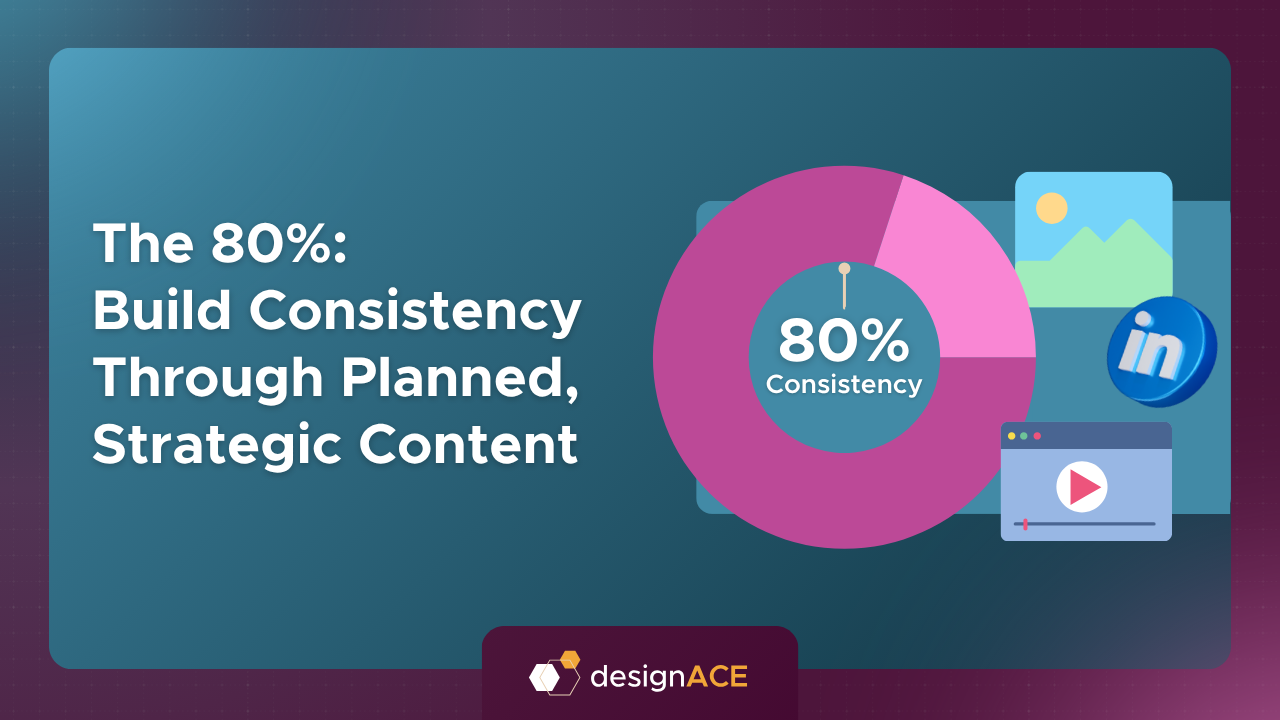
The 80%: Build Consistency Through Planned, Strategic Content
Start With a Clear LinkedIn Goal
The foundation of the 80/20 rule is consistency. Rather than deciding what to post every time you open LinkedIn, plan most of your content around the business priorities, customer interests, and leadership themes you want to communicate throughout the year.
This doesn't mean every post must be written in advance or scheduled weeks ahead. It means having a reliable direction so your LinkedIn presence doesn't depend entirely on inspiration striking at the right moment.
Start with your business priorities
Before creating a content calendar, identify what your LinkedIn presence should help achieve.
Are you trying to strengthen brand awareness? Establish your expertise in a particular industry? Build relationships with potential customers? Attract employees? Support a new service or business initiative?
Your content should reflect those priorities.
For example, a CEO of a technology company might focus on digital transformation, customer challenges, employee expertise, and lessons from product development. A professional services firm might emphasize industry insights, client education, leadership perspectives, and the problems its customers are trying to solve.
These themes give your content direction while helping your audience understand what you stand for.
If you need help turning business objectives into relevant LinkedIn topics, designACE's LinkedIn Playbook, Series 2: Content That Connects emphasizes creating useful content around audience interests, developing strong hooks, showing authenticity, and publishing consistently.
Build your evergreen content pillars
Evergreen content remains useful beyond the day it is published. It answers recurring questions, explains important ideas, shares lessons, or demonstrates your professional expertise.
For the 80% portion of your content, consider these seven themes:
Thought leadership
Share your perspective on industry challenges, changing customer expectations, leadership decisions, or lessons from your experience. You don't need to make a bold prediction every week. A clear, informed point of view can be just as valuable.
Customer themes
Discuss the questions your customers frequently ask, the challenges they face, and the misconceptions that prevent them from making progress. Focus on helping people understand a problem before promoting your solution.
Company priorities
Explain what your business is working toward and why it matters. This could include strategic initiatives, improvements to customer experience, new areas of expertise, or the principles that guide your decisions.
Employee stories
Highlight the people behind the business. Share lessons from team projects, recognize employee contributions, or explain how different roles support your organization's mission. These stories help make your company feel more human.
Product and service progress
Show the thinking behind your work. Instead of publishing a series of announcements, explain what your team is learning, which customer problem you're addressing, or why a particular improvement matters.
Community impact
Share meaningful involvement in your industry or community, including mentorship, partnerships, volunteer work, and initiatives that reflect your company's values.
Known milestones
Plan content around launches, anniversaries, upcoming events, research releases, and other milestones you can anticipate. These topics are easier to prepare in advance while still offering opportunities to tell a meaningful story.
Together, these pillars create a steady stream of ideas. They also help prevent your LinkedIn Profile from becoming a collection of promotional updates with little connection between them.
Make consistency manageable for busy executives
Consistency does not require CEOs to become full-time content creators. It requires a process that respects their schedules.
Start by choosing a realistic publishing rhythm. Two thoughtful posts a week may be more sustainable than attempting to publish every day and eventually stopping altogether.
Then, build a simple planning process:
Quarterly: Identify business priorities, major milestones, and the themes you want to reinforce.
Monthly: Select topics and match them to your content pillars.
Weekly: Gather executive insights, review drafts, and finalize upcoming posts.
After publishing: Review the response and capture ideas for future content.
Your marketing team can prepare drafts and manage scheduling, while you contribute the experience and perspective that make the content genuinely yours.
For businesses that need help maintaining this rhythm, designACE's LinkedIn Management Services can support strategic content planning, consistent publishing, and ongoing optimization aligned with broader marketing objectives.
The goal of the 80% is not to make every post predictable, but to create a reliable foundation so your LinkedIn presence continues even when your calendar gets busy.
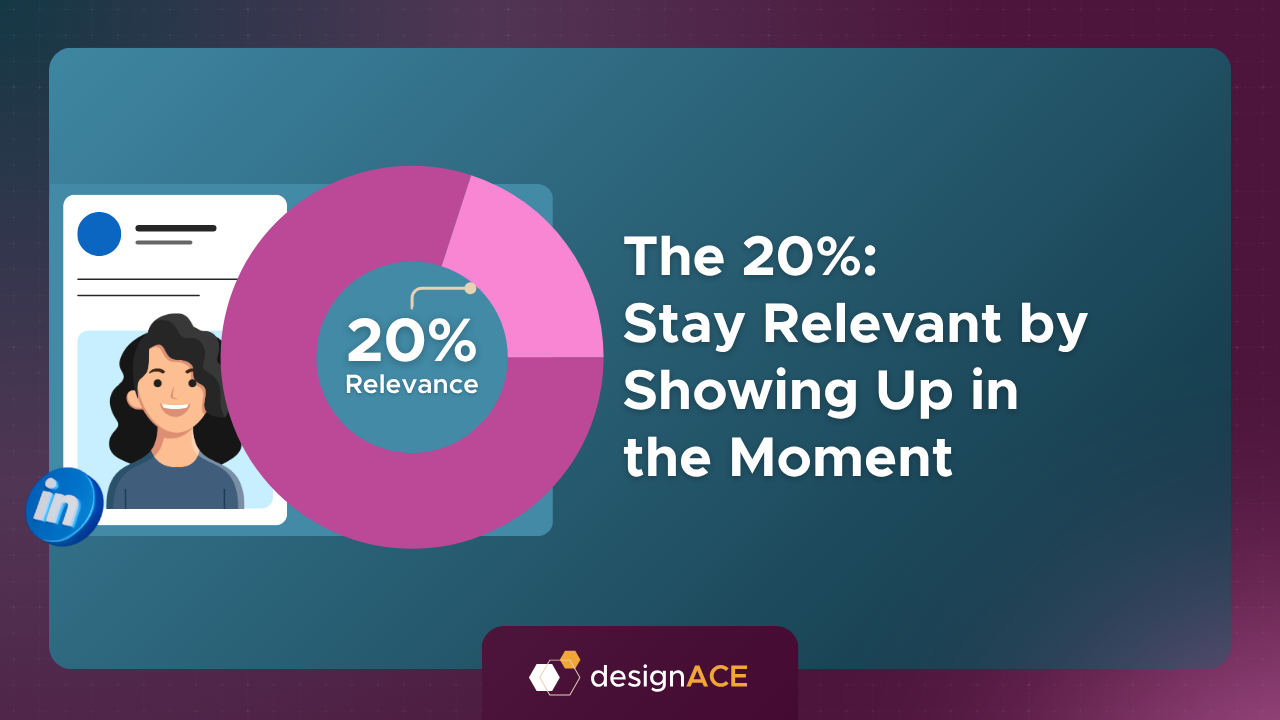
The 20%: Stay Relevant by Showing Up in the Moment
Optimise Your LinkedIn Headline to Earn More Profile Clicks
A well-planned content calendar provides direction, but it cannot anticipate everything worth discussing. Customer conversations evolve, industry news breaks, conferences introduce new ideas, and employees achieve milestones you didn't know were coming.
That's why the remaining 20% should stay flexible.
These posts allow executives to respond to what's happening now, demonstrate that they are paying attention, and connect their expertise to current conversations.
Know what deserves a timely post
Not every trending topic deserves a response. The best opportunities are those that connect naturally to your expertise, audience, or business priorities.
Consider these examples:
Customer visits and conversations
After meeting a customer or hearing a recurring concern, share a broader lesson that others can learn from. Protect confidential information and obtain permission before sharing identifiable details.
Industry news and developments
If a regulatory change, technology development, or market shift affects your audience, explain what it could mean in practical terms. Add your own perspective rather than simply repeating the headline.
Conferences and professional events
Share a key takeaway, an unexpected observation, or a question raised during a session. A useful reflection often provides more value than a photo announcing that you attended.
Employee wins and team milestones
Celebrate meaningful achievements as they happen. A recent project success or employee accomplishment can offer a timely opportunity to recognize people and explain what the team learned.
Industry conversations
Respond to a relevant discussion with an informed perspective, an additional example, or a thoughtful question. Your contribution should advance the conversation rather than simply draw attention to your profile.
Current events
When a broader development affects your industry or community, consider whether your experience offers a helpful perspective. If the connection is weak, it's perfectly reasonable not to comment.
The principle is simple: relevance is not the same as reacting to everything. It means recognizing the moments when your voice can contribute something useful.
Keep your response authentic, not rushed
Timely content can help your Professional presence feel current, but speed should never come at the expense of judgment.
Before publishing a reactive post, ask three questions:
Is this development genuinely relevant to my audience?
Can I add an informed perspective, practical lesson, or useful question?
Am I comfortable standing behind this message after the conversation moves on?
These questions are especially important for CEOs whose words can influence customer confidence, employee morale, and brand reputation.
You don't need to comment on every industry headline. Sometimes the strongest choice is to wait until you understand the issue better. At other times, a short, thoughtful response can be more useful than a lengthy post prepared days later.
Use a simple filter to identify opportunities
When a timely moment appears, evaluate it against three criteria:
Relevance: Does it connect to the interests or challenges of your audience?
Credibility: Do you have the experience or knowledge to contribute something meaningful?
Timing: Is there a reason to discuss it now rather than include it in your regular content plan?
If an opportunity meets all three, it may deserve a place in your flexible 20%.
For example, imagine your company attends an industry conference where several leaders discuss a growing customer challenge. You already have an evergreen post scheduled for that week. Rather than abandoning your calendar, you can publish a short reflection about the conference discussion and keep the planned post for its original slot—or move it if necessary.
This is the advantage of a flexible content system: you can respond to relevant developments without losing sight of your larger message.
For executives and marketing teams that want to strengthen their content judgment and execution, designACE's LinkedIn Training can help build the skills needed to create relevant content, interpret audience responses, and maintain a more intentional LinkedIn presence.
How the 80% and 20% Work Together: A Practical Content Rhythm
Design a LinkedIn Banner That Reinforces Your Brand
The 80/20 rule works best when planned and timely content support each other. Your evergreen posts establish what you stand for, while your timely posts demonstrate that your perspective is connected to real conversations and current developments.
One creates continuity; the other adds immediacy. Neither should operate in isolation.
Use a content calendar with room to move
Imagine a CEO plans to publish ten LinkedIn posts over a period of time. Under the 80/20 framework, approximately eight posts would come from planned themes and two would remain flexible for timely opportunities.
This is a planning guideline, not a strict algorithm or a requirement to hit exact percentages every week. The right balance may change depending on your industry, publishing frequency, and current business priorities. You can download our free content planner template to help you planning your content.
Here is an example of how the framework might look across ten posts:
| Planned content: 80% | Timely content: 20% |
|---|---|
| Leadership lesson | Reflection from a recent conference |
| Customer challenge | Response to a relevant industry development |
| Industry insight | |
| Employee story | |
| Product or service progress | |
| Practical customer advice | |
| Company priority | |
| Community impact or milestone |
The planned posts reinforce your key messages over time. The flexible posts allow you to respond when a conversation or event creates a meaningful opportunity.
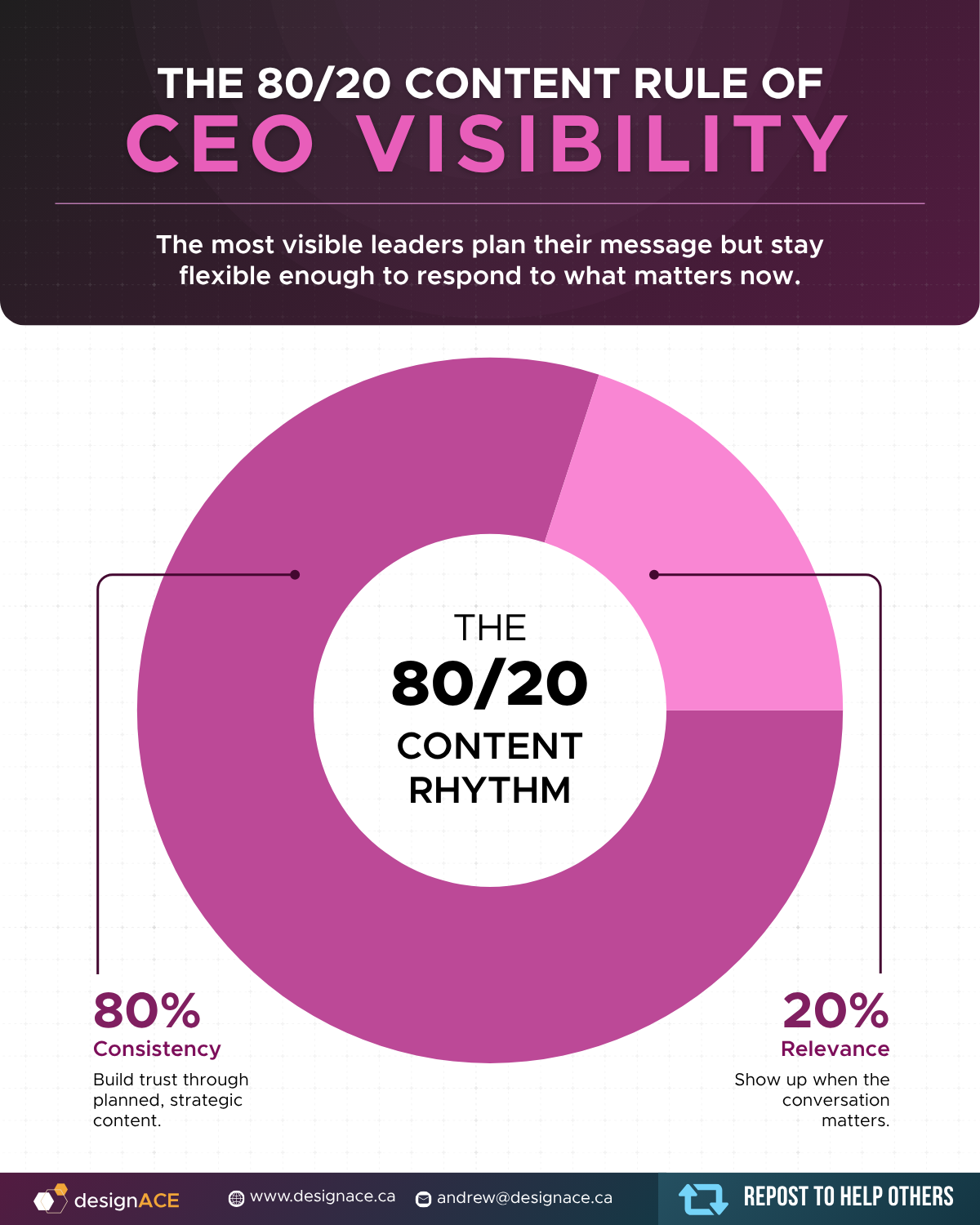
The 80/20 content rhythm balances planned consistency with timely relevance, helping CEOs stay visible without losing their ability to respond to what matters now.
designACE's LinkedIn Playbook, Series 4: Metrics That Matter reinforces the value of reviewing analytics, setting measurable goals, and refining your strategy based on performance.
Keep your message consistent while letting your voice evolve
The 80/20 rule is not about forcing every post into a rigid brand script. Your content should feel recognizable without sounding repetitive.
For example, a CEO who regularly discusses customer experience can publish a planned post about improving service processes, then respond to a recent industry discussion about customer expectations. Both posts reinforce the same area of expertise, but each serves a different purpose.
This is how a content strategy builds long-term authority. Your audience sees a consistent set of values and ideas, while your timely contributions demonstrate that you are engaged with the world beyond your content calendar.
Your LinkedIn Profile should support this rhythm, too. When people discover a timely post, visit your profile, and explore your previous content, they should find a coherent picture of your expertise and priorities.
Ultimately, the 80/20 approach helps you maintain LinkedIn visibility without turning content creation into an endless cycle of last-minute writing. You plan the message, leave room for the moment, and use what you learn to improve the next round.
Conclusion: Plan Your Message, Leave Room for the Moment
A strong executive LinkedIn presence doesn't have to choose between consistency and relevance. The 80/20 content rule offers a practical way to balance both.
Use 80% of your content to reinforce business priorities, customer themes, leadership insights, employee stories, and milestones. Reserve the remaining 20% for meaningful opportunities that emerge through customer conversations, industry developments, events, and everyday business life.
Most importantly, keep the framework flexible. The percentages provide direction, but your audience, goals, and circumstances should guide the final decision.
Ready to build a consistent LinkedIn presence without adding more work to your schedule?
Book a free consultation with designACE to explore how strategic content planning and LinkedIn management can help your business strengthen visibility, credibility, and professional connections.
Frequently Asked Questions (FAQs)
-
No. The 80/20 rule is a practical content-planning framework, not an official LinkedIn algorithm requirement. You can adapt the ratio to your goals, publishing frequency, and industry. Its value lies in balancing consistency with flexibility rather than following a percentage perfectly.
-
Not every executive needs the same level of activity. The right approach depends on business objectives, audience expectations, and the executive's role. However, when a leader's expertise and perspective matter to the business, a thoughtful personal presence can help communicate that value in a more human way.
-
Don't force a reaction. Return to your planned content pillars, share a useful lesson, answer a customer question, or explain an idea relevant to your audience. The 20% is available for timely opportunities; it is not a requirement to comment on current events every week.
-
Yes, as part of a broader strategy. Planned content can educate potential customers and establish credibility, while timely posts can create opportunities for relevant conversations. To support LinkedIn Lead Generation, connect content to a clear audience need, maintain a credible LinkedIn Profile, and offer appropriate next steps without making every post a sales pitch.
-
Agree on clear approval guidelines in advance. Establish which topics the executive can comment on independently, which require review, and which need input from legal, communications, or subject-matter experts. A defined process helps the team respond to relevant moments without sacrificing accuracy or creating unnecessary delays.
Useful Blogs

LEVEL UP YOUR LINKEDIN PROFILE
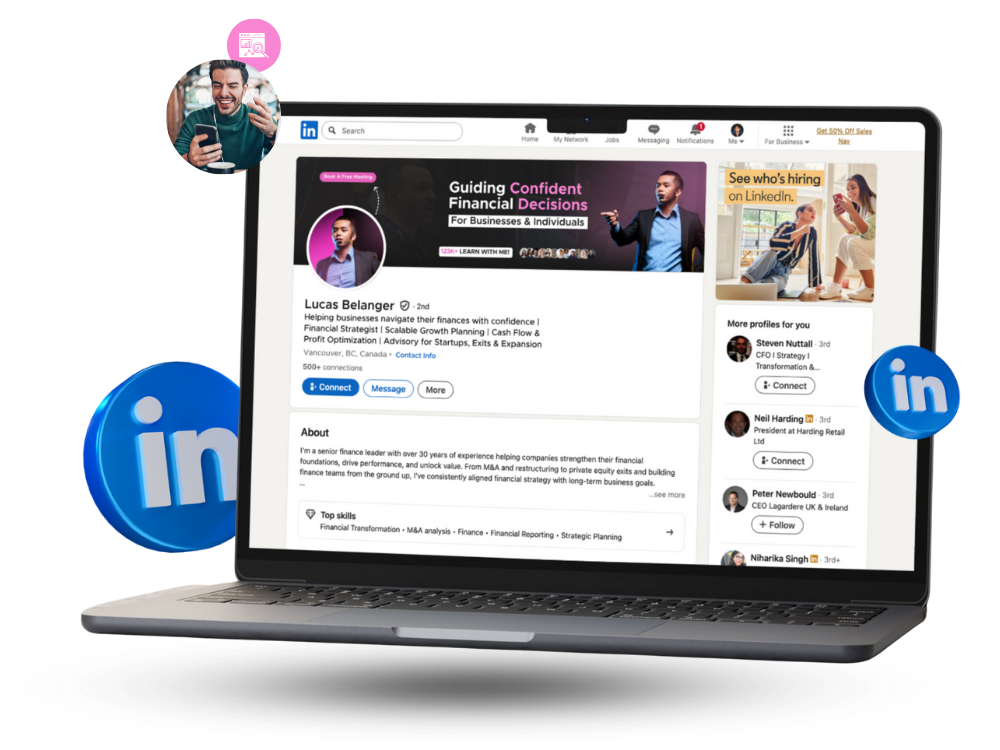
Enhance your LinkedIn presence and attract more opportunities with a profile designed to stand out.
PICK YOUR MAKEOVER
Learn how CEOs can use the 80/20 content rule to balance planned LinkedIn Content with timely, relevant posts. Discover practical content pillars, a simple planning workflow, and strategies to build consistency, credibility, and LinkedIn visibility.